
Proudly Serving Northeastern Georgia, Clarke, Gwinnett, Hall Counties and nearby
Radon in Water Mitigation in Athens, Atlanta, Roswell & Nearby
Whole-house radon water treatment with GAC filtration and aeration systems
Elevated radon levels in well water can contribute to radon exposure throughout your home. As water is used for showering, washing dishes, and other everyday activities, dissolved radon escapes into your indoor air. The primary risk is lung cancer from inhaling radon decay products after radon gas escapes at fixtures. Professional radon in water mitigation systems can reduce radon concentrations before water reaches household fixtures.
Georgia Radon Defense provides professional radon in water mitigation services throughout Northeastern Georgia. We offer point-of-entry, whole-house water treatment systems tailored to your radon levels, available equipment space and power availability.
Our solutions include granular activated carbon (GAC) filtration and aeration systems, including AiRWell and AIRaider equipment. Our specialists can evaluate your test results and recommend a treatment approach suited to your home's needs.
How does radon in water mitigation work?
Radon in water mitigation is designed to reduce dissolved radon before water is distributed throughout your home. Point-of-entry treatment systems address the household water supply rather than treating water at individual faucets or fixtures.
Two primary approaches are used to reduce radon in well water: granular activated carbon filtration and aeration. While both methods can be effective, they work differently and are appropriate for different water conditions.
Factors That Influence Radon Water Treatment Selection
- Radon concentrations identified through water testing
- Variability in radon levels over time
- Available indoor space for equipment
- Well configuration and accessibility
- Electrical power availability
- Maintenance and treatment considerations
Georgia Radon Defense evaluates these factors to recommend an appropriate system for your property. If you have not yet tested your water, learn more about the importance of professional testing on our Radon in Water page.
Granular Activated Carbon (GAC) Radon Filtration
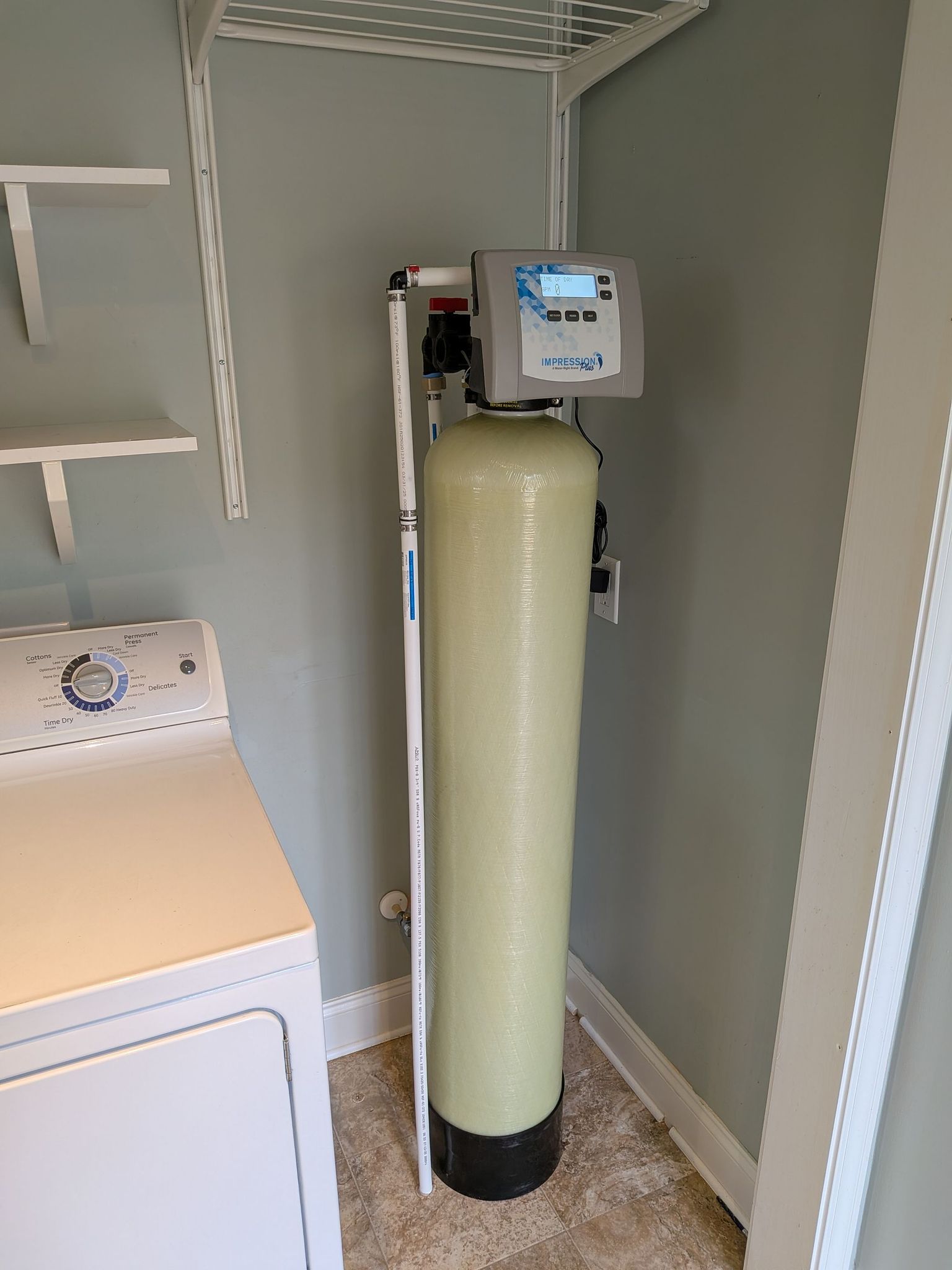
Granular activated carbon filtration uses specialized carbon media to capture dissolved radon as water passes through the treatment system. This method can provide effective radon reduction for homes with suitable water conditions and lower radon concentrations.
Georgia Radon Defense generally recommends GAC filtration for radon in water levels below 4,000 pCi/L, depending on the home's specific conditions and treatment needs.
Important Considerations for GAC Filtration
Unlike aeration systems, which release radon from the water and vent it away, GAC systems retain radon and its radioactive decay products within the filtration media.
Over time, the filter media can accumulate radioactivity. When radon concentrations are high, this buildup may create additional safety, monitoring and disposal concerns. In some circumstances, spent filter media may require specialized handling or disposal.
For this reason, GAC filtration is not necessarily the best option for every home. Our specialists consider your water test results and other relevant conditions before recommending this treatment method.
Aeration Systems for Radon in Water Mitigation
Aeration is another effective method for reducing radon in well water. These systems introduce air into the water, encouraging dissolved radon gas to separate from the water so it can be released and vented away.
Georgia Radon Defense generally recommends aeration when radon in water levels exceed 4,000 pCi/L, when seasonal variability makes higher treatment capacity desirable or when homeowners want a high-efficiency radon reduction method without the radioactive filter media buildup associated with GAC systems.
Properly selected aeration systems can achieve radon removal efficiencies approaching 99%, depending on the equipment and operating conditions.
We offer two primary aeration configurations: AiRWell, which is installed directly in the well, and AIRaider, which is installed indoors on the main water supply line.
AiRWell In-Well Radon Mitigation Systems
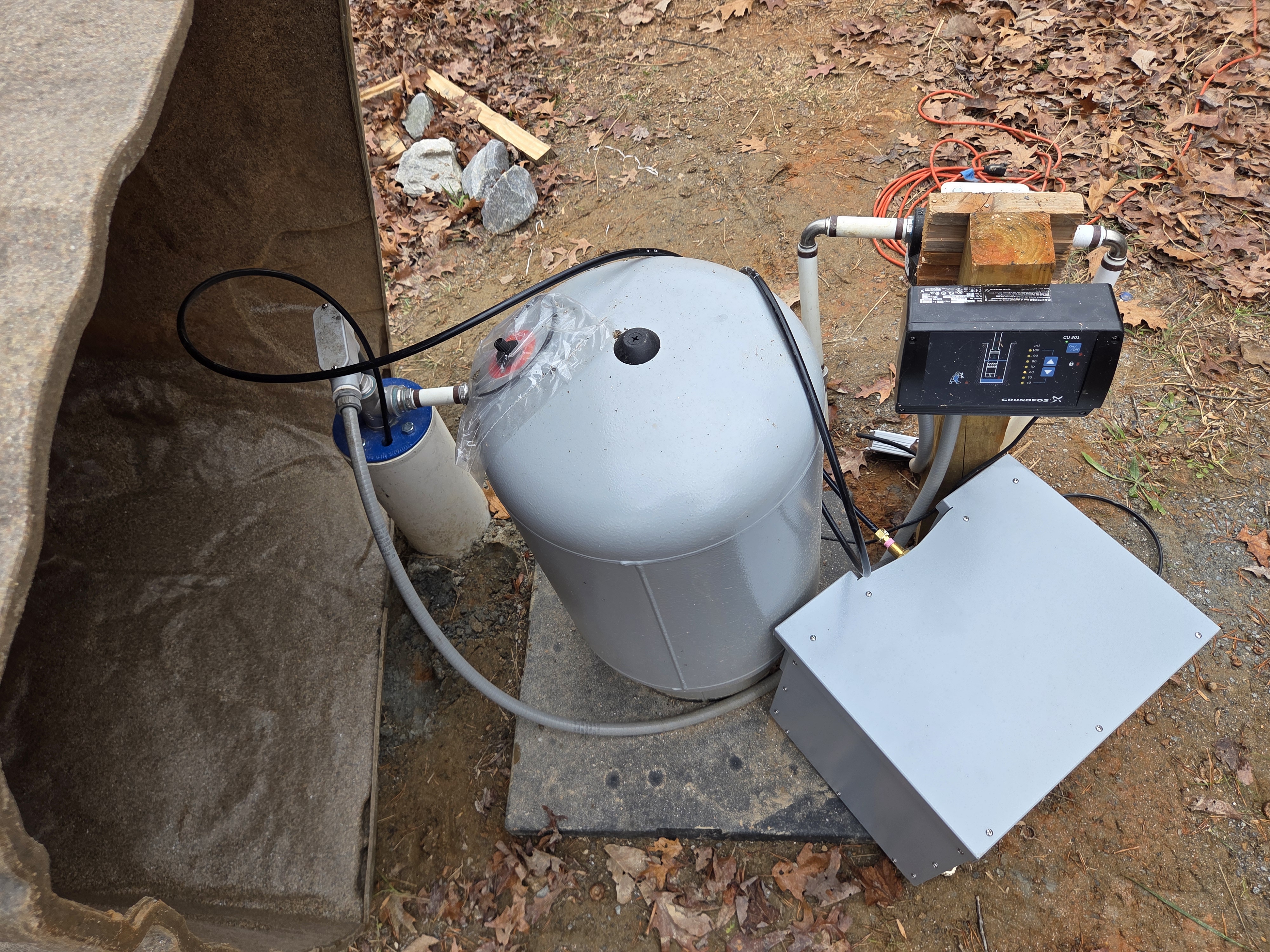
AiRWell is an aeration system installed directly inside the well. Rather than requiring a large indoor treatment tank, the system works within the well itself to help remove dissolved radon from the water.
This configuration can be especially useful for homes with limited indoor equipment space or properties where installing a separate well house or dedicated indoor storage tanks is impractical.
Benefits of AiRWell Radon Water Treatment
- Installed directly inside the existing well
- Preserves valuable indoor space
- Eliminates the need for dedicated indoor aeration storage tanks
- Uses aeration to reduce dissolved radon in well water
- Provides an option for properties with limited equipment installation space
In some cases, an in-well system may be the only practical aeration configuration for a property's available space and infrastructure. Georgia Radon Defense can evaluate whether AiRWell is an appropriate option for your well and household water needs.
AIRaider Indoor Radon in Water Aeration Systems
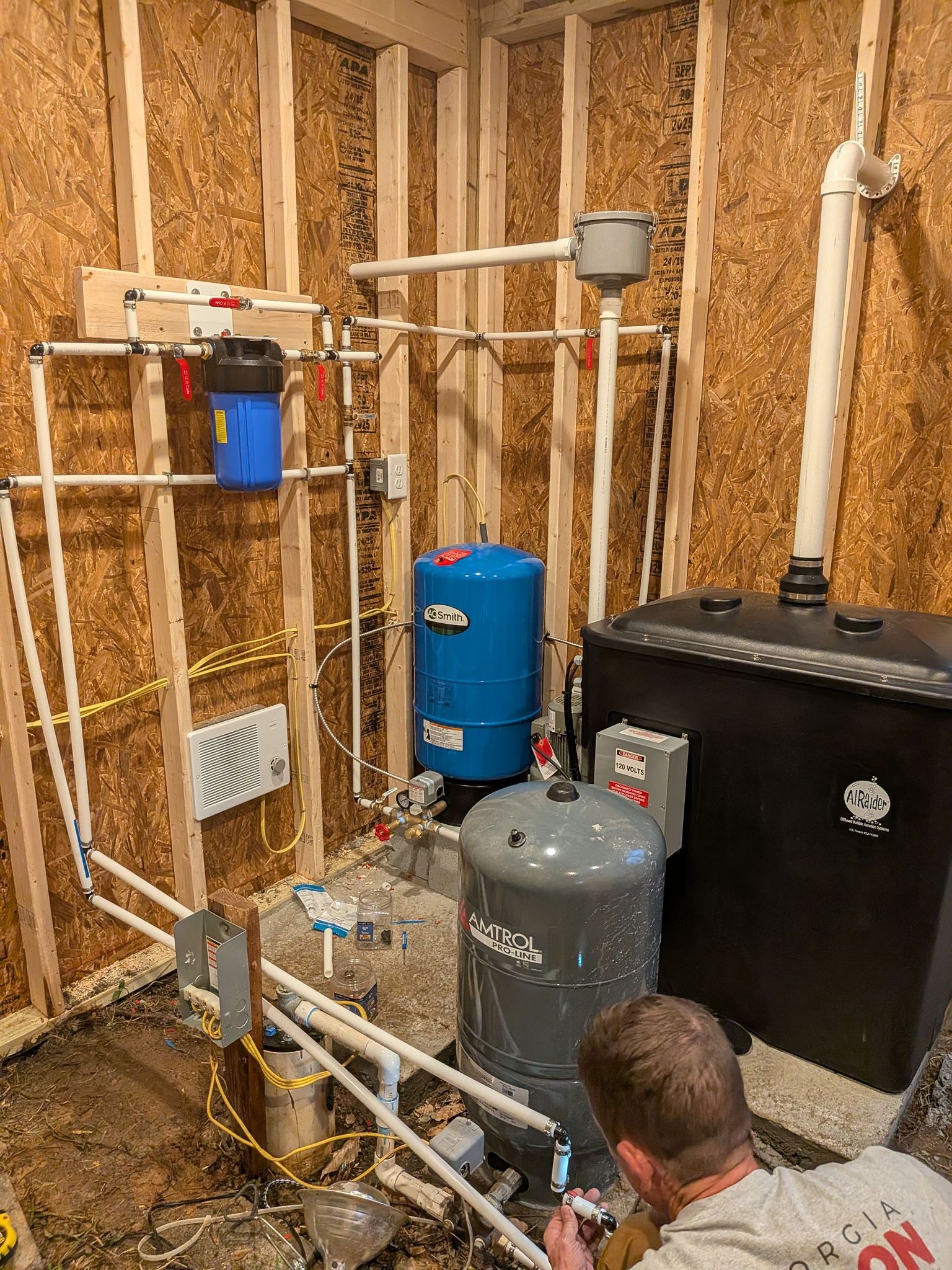
AIRaider is a dedicated indoor aeration system installed on the home's main water supply line. It is designed to reduce dissolved radon in well water before the treated water is distributed to household fixtures.
The system uses aeration technology to release radon gas from the water, allowing it to be vented away from the home through an appropriately installed exhaust system.
AIRaider can be a suitable option for homeowners who have adequate indoor equipment space and want an effective whole-house radon water treatment solution.
Benefits of AIRaider Radon Water Treatment
- Provides point-of-entry treatment for the household water supply
- Uses aeration technology to reduce dissolved radon
- Can achieve high radon removal efficiency under appropriate conditions
- Avoids radioactive filter media accumulation associated with GAC filtration
- Offers a dedicated indoor treatment configuration
Our specialists can help determine whether an AIRaider system is appropriate based on your water radon concentrations, available installation space and electrical requirements.
Radon in Water Mitigation Video
Watch the video below for a closer look at radon in water treatment. Georgia Radon Defense offers whole-house mitigation options, including GAC filtration and aeration systems, based on each home's testing results and installation requirements.
GAC Filtration vs. Aeration for Radon in Water
Choosing the right radon water treatment method requires more than simply selecting a filtration product. Radon concentrations, available installation space and long-term system considerations all play a role in determining the appropriate solution.
When GAC Filtration May Be Recommended
- Radon in water levels are generally below 4,000 pCi/L
- Water conditions are suitable for carbon filtration
- Radioactive media accumulation and maintenance requirements can be appropriately managed
When Aeration May Be Recommended
- Radon in water levels exceed 4,000 pCi/L
- Seasonal or other variations in radon concentrations are a concern
- High radon removal efficiency is desired
- Homeowners want to avoid radioactive filter media accumulation
- Available well or indoor space supports a suitable aeration configuration
The 4,000 pCi/L distinction reflects Georgia Radon Defense's treatment recommendations, not a federal regulatory limit. The appropriate system should be selected based on professional evaluation of your water quality and property conditions.
Our Radon in Water Mitigation Process
Every home has different water treatment requirements. Georgia Radon Defense recommends beginning with professional testing of both well water and indoor air to understand the home's radon exposure and identify appropriate mitigation priorities.
What to Expect From Radon Water Mitigation
- Review radon testing results: We evaluate the radon concentrations identified in your well water and discuss any relevant indoor air testing findings.
- Assess treatment requirements: Our specialists consider your water levels, available equipment space and power availability.
- Recommend a treatment system: We determine whether GAC filtration, AiRWell or AIRaider is an appropriate solution for your home.
- Install the selected system: The recommended point-of-entry treatment equipment is installed according to the property's configuration and system requirements.
- Discuss system operation: Our team explains relevant operation and maintenance considerations for the selected treatment method.
Depending on your water testing results, additional testing for uranium, radium or other water quality concerns may also be recommended. Georgia Radon Defense offers additional water quality solutions, including UV water disinfection systems, when appropriate for the home's needs.
Radon in Water Mitigation FAQs
What is the best way to remove radon from well water?
The most appropriate treatment depends on the radon concentration in your water and your home's installation conditions. Georgia Radon Defense offers granular activated carbon filtration and aeration systems, including AiRWell and AIRaider. Professional testing helps determine which option is best suited to your property.
When is aeration recommended instead of GAC filtration?
Georgia Radon Defense generally recommends aeration for radon in water concentrations above 4,000 pCi/L, when radon levels vary seasonally or when high removal efficiency is desired without accumulating radioactive material in carbon filtration media. The final recommendation depends on the home's specific conditions.
What is the difference between AiRWell and AIRaider?
AiRWell is installed directly inside the well, helping preserve indoor space and eliminating the need for dedicated indoor aeration storage tanks. AIRaider is installed indoors on the main water supply line. Both use aeration to reduce dissolved radon, but their installation configurations differ.
Can a GAC filter become radioactive?
Yes. Granular activated carbon filters capture radon and its radioactive decay products, which can accumulate within the filtration media. Higher radon concentrations can increase concerns about radioactive buildup, monitoring and disposal. This is one reason aeration may be preferable when radon levels are elevated.
Do radon in water mitigation systems treat the entire house?
Yes. Georgia Radon Defense offers point-of-entry radon in water treatment solutions designed to reduce radon in the water supply before it is distributed to household fixtures. The specific equipment and installation configuration depend on the home's water supply and treatment requirements.
Should I test my water before installing a radon mitigation system?
Yes. Georgia Radon Defense recommends professional testing of both well water and indoor air before selecting a radon mitigation strategy. Testing helps identify potential sources of exposure and determine whether water treatment, indoor air mitigation or both may be appropriate.
Get a Free Radon in Water Mitigation Quote in Athens, Atlanta, Roswell & Nearby
Georgia Radon Defense provides professional radon in water mitigation services throughout Northeastern Georgia. Whether your home requires granular activated carbon filtration or a high-efficiency aeration system, our specialists can help identify a solution based on your radon levels and property conditions.
Call 1-844-227-1299 or contact us online today to schedule a free, no-obligation quote for whole-house radon in water treatment.
Looking for a price? Get a no cost, no obligation free estimate.
our service area
We serve the following areas
- Alpharetta
- Atlanta
- Auburn
- Avondale Estates
- Bethlehem
- Braselton
- Buford
- Chestnut Mountain
- Clarkston
- Clermont
- Conyers
- Covington
- Cumming
- Dacula
- Decatur
- Duluth
- Ellenwood
- Flowery Branch
- Gainesville
- Gillsville
- Grayson
- Hoschton
- Jersey
- Lawrenceville
- Lilburn
- Lithonia
- Loganville
- Lula
- Mansfield
- Maysville
- Monroe
- Murrayville
- Norcross
- North Metro
- Oakwood
- Oxford
- Peachtree Corners
- Pendergrass
- Pine Lake
- Porterdale
- Redan
- Roswell
- Scottdale
- Snellville
- Social Circle
- Stone Mountain
- Suwanee
- Talmo
- Tucker
- Winder